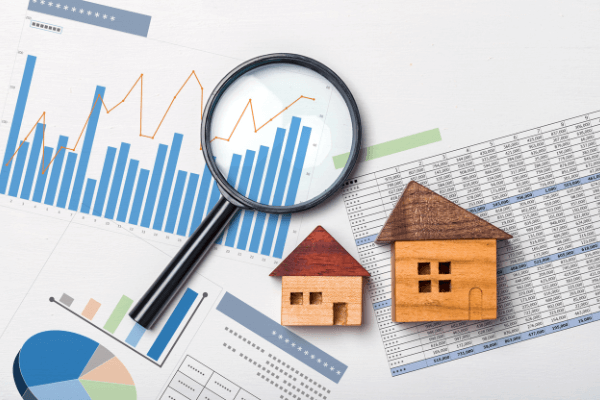




Is it Worth Investing in Property? See How to Calculate the Return
Is it worth investing in property? This is a common question among investors looking for safe and profitable alternatives for their capital. The real estate market has proved to be one of the most solid options, offering stability and valuation opportunities.
However, like any investment, it's essential to understand how to calculate return on investment (ROI) and weigh the pros and cons before making the decision.
In this article, we will explore whether it is worth investing in property, how to calculate the return, and what to consider when investing in this market.
Why Invest in Property?
Investing in real estate is a strategy known for its security, valuation potential, and passive income. Even with economic fluctuations, real estate has been an attractive option for those seeking a tangible investment capable of generating constant cash flow, especially through rents.
Here are some of the most common reasons why people choose to invest in real estate:
- Long-term valuation: Properties, especially well-located ones, tend to appreciate over time, generating an appreciation of assets.
- Passive income: Buying property for rent generates a constant cash flow that can be an additional source of income.
- Security: Unlike more volatile investments, such as stocks or cryptocurrencies, real estate is tangible assets and offers greater long-term stability.
However, like any type of investment, investing in real estate involves risks, and it's crucial to understand how to calculate the potential return before making the decision.
How to Calculate Real Estate Investment Return
Calculating return on investment (ROI) is essential to determine if a property is worth investing in. To help you understand the process, we will describe the main methods for calculating the return, taking into account both the valuation of the property and the passive income generated by the rental.
1. Rent Return Calculation
If the investment objective is to generate passive income through rent, you need to consider the monthly rent that the property can generate, as well as the costs involved in buying and maintaining the property. The basic calculation for determining rental profitability is as follows:
Formula for Rental Profitability:
Gross Rental Profitability (%) = (Annual Rental Income/Total Property Cost) × 100
Where:
Annual Rental Income: monthly amount × 12
Total Property Cost: this is the purchase price of the property (including taxes, deeds, etc.).
Example: If you buy a property for R$ 400,000 and rent for R$ 2,500 a month, the annual income would be R$ 30,000. The calculation would look like this:
Annual Income = 2,500 × 12 = 30,000
Profitability (%) = (30,000/400,000) × 100 = 7.5%
This means that the gross rental return would be 7.5% per year, which can be considered a good return, depending on the market.
2. Return Calculation with Property Valuation
In addition to rental income, the valuation of the property over time is also an important factor to consider when calculating the return. Well-located properties tend to appreciate as the market develops and the area gains infrastructure.
Formula for Profitability with Valuation:
Valuation Profitability (%) = ((Expected Sales Value − Total Property Cost)/Total Property Cost) × 100
Where:
Expected Sale Value: this is the estimated value that the property can reach after a period, taking into account the market valuation.
Total Property Cost: again, it's the price paid for the property, including all fees.
Example: Suppose that the value of the property you bought for R$ 400,000 is valued at 5% per year. After 5 years, the expected sales value would be:
Sale Price = 400,000 × (1 + 0.05) ^5 ≈ 510,400
Profitability (%) = (510,400 − 400,000)/400,000) × 100 = 27.6%
The valuation return would then be:
Total Profitability ≈ Gross Rental Profitability + Valuation Profitability
Example with the numbers above: ≈ 7.5% per year (rent) + 27.6% in 5 years (valuation)
This means that, over 5 years, the property would appreciate 27.6%.
3. Total Profitability: Combining Rent and Valuation
To understand the total return on your investment, you must combine the two types of returns: passive rental income and property valuation.
Formula for Total Profitability:
Total Profitability ≈ Gross Rental Profitability + Valuation Profitability
In the example we used above, the gross rental return was 7.5% per year and the valuation was 27.6% over 5 years. Total profitability would be a combination of these two variables.
4. Other Costs to Consider
Although calculating profitability seems simple, there are other costs involved that may impact the final return on your investment. Some of these costs include:
- Property taxes: Depending on the location, property taxes can be significant and must be taken into account.
- Management fees: If you are going to rent the property, you may need to hire a property management company, which implies management fees.
- Maintenance and repairs: The cost of maintaining and repairing the property can affect your net profitability, especially in older properties.
- Vacancy: Periods in which the property is empty, without generating rent, must also be considered, as they can reduce your passive income.
Is it Worth Investing in Property? Final Thoughts
Now that we know how to calculate the return on real estate investment, the question remains: is it worth investing in real estate? The answer depends on your financial objectives, the local market, and your ability to take risks.
If you are looking for security, stable passive income, and long-term asset valuation, investing in real estate may be an excellent option. However, it is important to make a careful analysis of all the costs involved and to ensure that the property chosen has attractive valuation potential and rental profitability.
In short, real estate investment remains one of the safest and most profitable ways to increase your wealth, especially when the investment is well planned and calculated. By considering all the costs and carrying out a good market analysis, you'll be able to make informed decisions and maximize your returns.